
Case study · Pennsylvania dairy
A 220-head Pennsylvania dairy brings soybean roasting in-house.
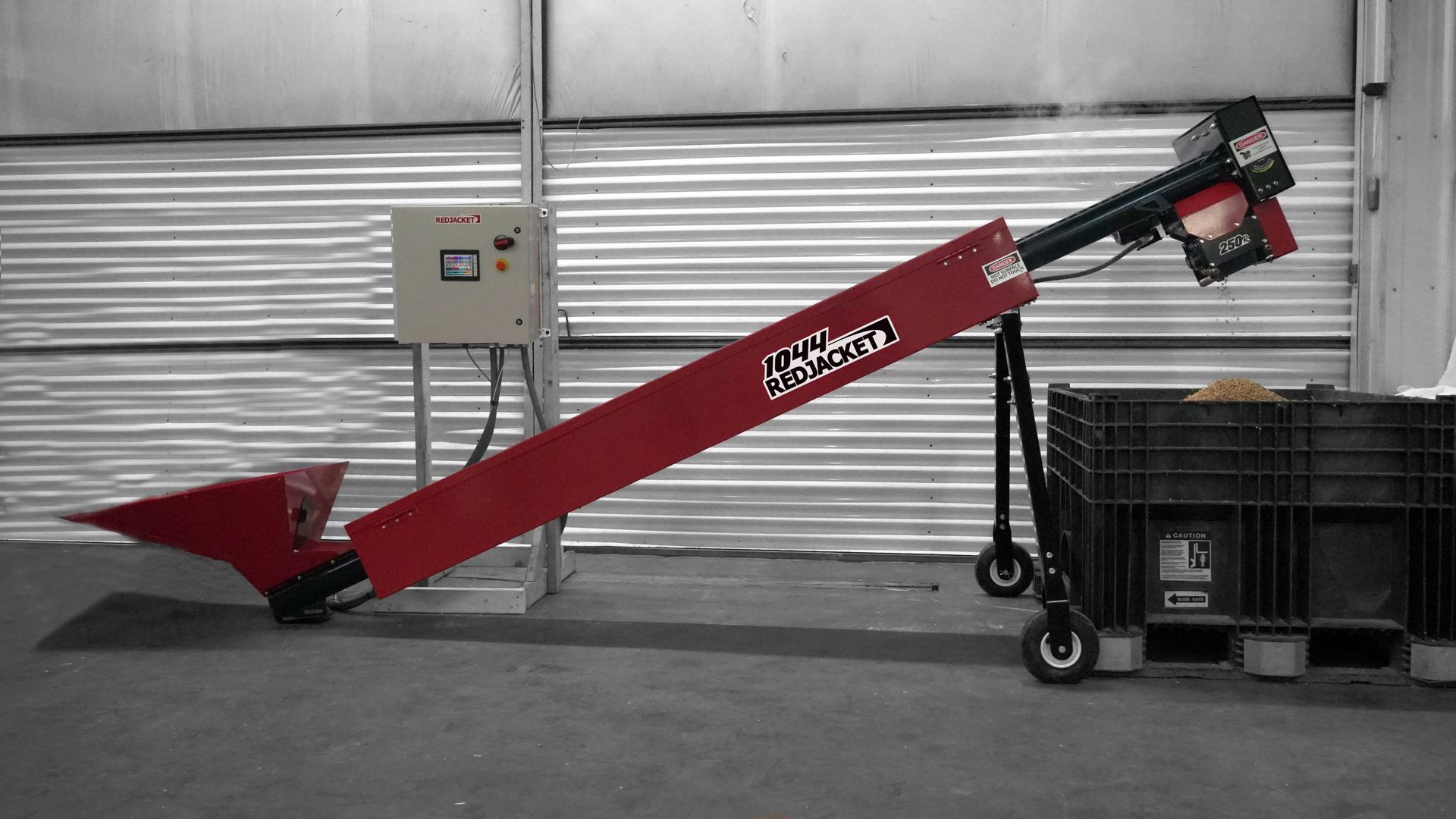
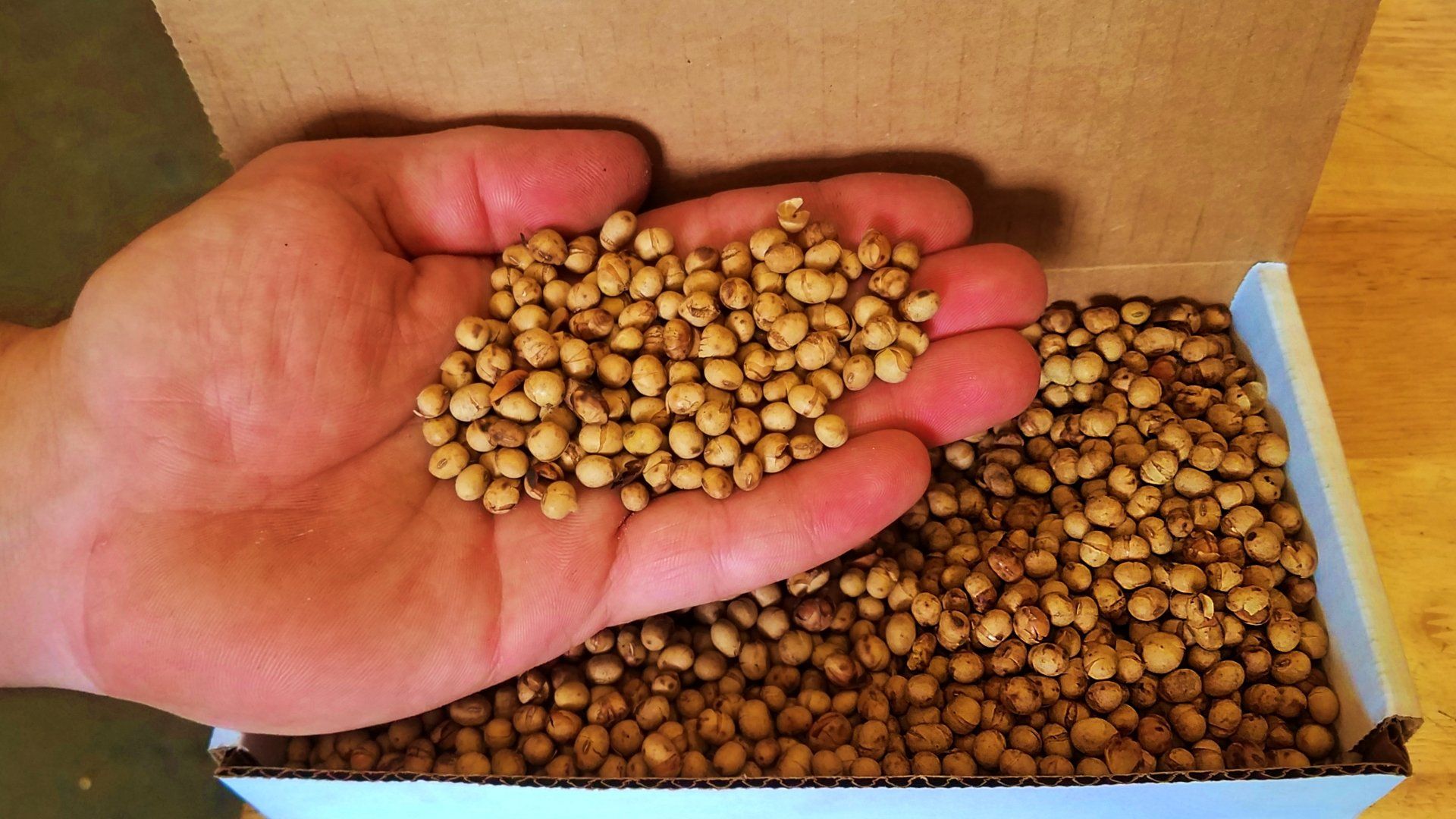
A long-time user of roasted soybeans, this farmer bought a Redjacket roaster to process his own feed. His reported prices imply an $80-per-ton soybean cost difference, before electricity and other roasting costs.
The challenge
A recurring expense.
A different way to buy.
This Pennsylvania dairy runs two small herds totaling 220 head. Roasted soybeans have been part of the ration for years, with each cow getting 6 pounds per day.
That adds up to 1,320 pounds a day, or 4.62 tons a week. The farmer reported a local purchase price of $550 per ton for roasted soybeans.
By buying raw beans and roasting them on the farm, he could bring that step of feed preparation in-house.
The cost comparison
What the farmer’s numbers show.
At his reported raw soybean price of $11.75 per bushel, and using his figure of 40 bushels per ton of finished roasted beans, the raw-material cost is $470 per ton. Compared with purchasing roasted beans at $550 per ton, that leaves an $80 difference before roasting expenses.
| Metric | Calculation / basis | Result |
|---|---|---|
| Purchased roasted soybeans | Reported local producer price | $550 / ton |
| Raw beans per finished ton | 40 bushels × $11.75 | $470 / ton |
| Difference before roasting costs | $550 − $470 | $80 / ton |
| Weekly roasted soybean use | 1,320 lb × 7 days ÷ 2,000 | 4.62 tons |
| Weekly cost difference | 4.62 tons × $80 | $369.60 |
| Projected annual cost difference | $369.60 × 52 weeks | $19,219.20 |
These are raw-material comparisons, not net savings or measured farm profit. Electricity, labor, maintenance, and other costs are excluded. The projection holds the reported prices, feeding rate, and yield constant for 52 weeks (364 days). Tons are 2,000 lb.
Capacity to spare
A week’s soybeans in about 51 hours.
The farmer reported needing about 51 hours to roast his weekly soybean supply. On a continuous 168-hour schedule, that leaves 117 theoretical hours before downtime or other uses.
This illustrates the farmer’s reported schedule. It does not establish guaranteed available capacity or how much corn can be processed.
Another use: roasting corn
The farmer also uses the roaster for corn fed on the farm. According to the source account, his nutritionist is interested in the potential nutritional benefits. Those benefits are still being evaluated and are not included in the cost comparison.
Start with your own operation
This example shows the price difference that led one dairy to bring roasting in-house. Your feed prices, electricity rate, operating schedule, and equipment needs will determine the comparison for your farm. Explore our electric grain roasters and roasted soybean research for dairy cattle to learn more.
Talk through your setup
Let’s size a roaster
for your operation.
Tell Fred about your herd, the grains you feed, and your weekly volume. Get help choosing equipment and request a quote.